










In Stock
Reviews

In Stock
ReviewsRelated Categories
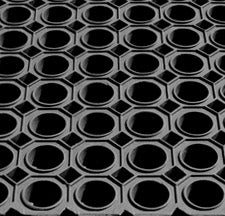
Waterproof flooring for wet rooms and bathrooms. View our wet area matting for shower and pool areas.
Specification Guide — Wet Room Flooring
Wet room flooring must achieve PTV 36+ when wet at minimum; for commercial changing rooms, pool surrounds, and shower areas used by vulnerable persons (elderly care, hospitals), specify PTV 50+. All tiles must be grouted with a flexible, waterproof grout to prevent moisture ingress to the subfloor — rigid cement grout cracks under the thermal expansion and contraction of a wet room floor.
What is the minimum slip resistance for wet room flooring?
BS 8300 (accessibility standard) requires PTV 36+ for wet areas accessible to the public. For private domestic wet rooms, the same standard is recommended. For healthcare environments (NHS, care homes), PTV 50+ is specified as standard. The HSE recommends PTV 45+ for areas in sustained wet use such as commercial showers and changing facilities.
Can rubber tiles be used in a steam room?
Yes, with the correct compound selection. EPDM rubber tiles resist steam and elevated temperatures well — EPDM maintains performance up to 130°C. SBR rubber is not recommended for steam rooms as sustained high temperature and humidity accelerates compound degradation. Ensure adequate subfloor waterproofing under any rubber tile system in a steam room environment.
How do I prevent wet room rubber tiles from lifting?
Tiles lift when: the adhesive is applied to a damp subfloor (most common cause), the tile acclimatises to room temperature after installation and shrinks slightly, or cleaning chemicals attack the adhesive bond. Use a flexible waterproof tile adhesive rated for rubber. Prime the subfloor before adhesive application. Allow rubber tiles to acclimatise in the room for 24 hours before installation. Avoid cleaning with bleach-based products that degrade adhesive bonds.
What Our Customers Say
Verified reviews from UK buyers — Free UK delivery
