

Rubber Flooring
Rubber flooring from Slip-Not® gives you a hard-wearing, non-slip floor for gyms, garages, workshops, kennels, stable...









Rubber Flooring UK — Rolls, Tiles & Mats for Gyms, Garages, Industry & Home
Rubber flooring for gyms, garages, workshops, kitchens, kennels, schools and commercial buildings. Cut-to-length rolls, interlocking tiles and heavy-duty mats from 3mm to 40mm thick, held in UK stock for fast dispatch and trade pricing.

In Stock
Reviews

In Stock
Reviews

In Stock
Reviews

In Stock
Reviews

In Stock
Reviews

In Stock
Reviews

In Stock
Reviews

In Stock
Reviews

In Stock
Reviews

In Stock
Reviews

In Stock
Reviews

In Stock
Reviews

In Stock
Reviews

In Stock
Reviews

In Stock
Reviews
In Stock
Reviews

In Stock
Reviews

In Stock
Reviews
In Stock
Reviews
In Stock
Reviews

In Stock
Reviews
In Stock
Reviews
In Stock
Reviews

In Stock
ReviewsShop Rubber Flooring by Format
- Rubber flooring rolls – sold by the linear metre in widths up to 2m for seamless coverage of workshops, corridors, vans and gym floors. Ribbed, studded, coin and smooth finishes.
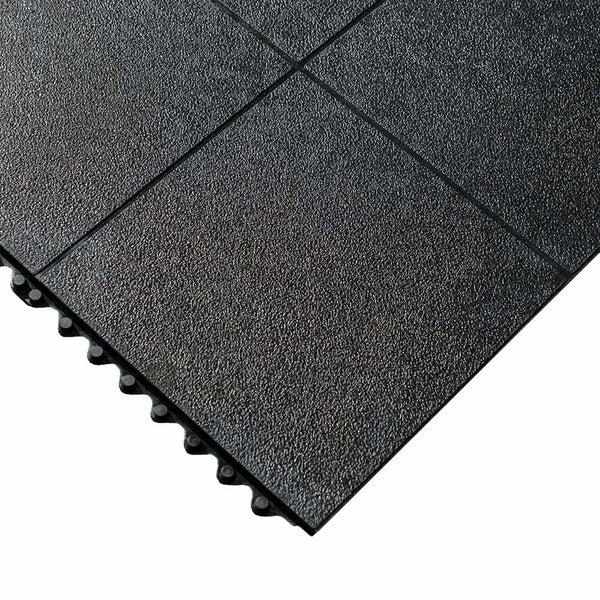
- Gym flooring tiles and mats – dense 15mm to 40mm rubber tiles and mats that absorb dropped weights and protect the subfloor in home and commercial gyms.
- Rubber matting – anti-slip ribbed, studded and drainage matting for entrances, walkways, ramps and wet areas.
- Garage and workshop flooring – oil-resistant rolls and interlocking tiles that take tyres, jacks and dropped tools.
- Playground safety flooring – impact-absorbing rubber tiles and mats tested to BS EN 1177.
- Rubber sheet – thin SBR, EPDM, neoprene and natural rubber sheeting for lining, gaskets and bespoke floor pads.
Why Choose Rubber Flooring?
Rubber is naturally slip resistant, even when wet, which is why it is specified for commercial kitchens, pool surrounds, changing rooms and HSE-audited workplaces. It is dense enough to stop forklift wheels and dropped dumbbells marking the subfloor, yet soft enough underfoot to reduce fatigue and impact noise. Unlike vinyl or laminate, rubber flexes rather than cracking, resists most oils and chemicals, and keeps its grip as it wears. A quality rubber floor typically lasts 10 to 20 years in commercial use and is one of the few floor coverings that can be lifted, cleaned and re-laid.
Rubber Flooring by Application
| Application | Recommended product | Thickness |
|---|---|---|
| Home and garage gyms | Rubber gym flooring tiles or rolls | 15mm – 20mm |
| Commercial gyms and free-weights areas | Heavy-duty gym tiles and platform mats | 20mm – 40mm |
| Garages, workshops and vans | Studded, coin or chequer rubber flooring rolls | 3mm – 6mm |
| Factories and warehouses | Industrial anti-fatigue and ribbed matting | 6mm – 17mm |
| Kennels, catteries and dog runs | Kennel flooring rolls | 6mm – 10mm |
| Stables, trailers and horse boxes | Stable mats and broad ribbed rolls | 12mm – 24mm |
| Kitchens, bars and wet rooms | Wet room and drainage flooring | 12mm – 16mm |
| Playgrounds and schools | BS EN 1177 safety tiles and grass mats | 23mm – 40mm |
| Flats and offices needing sound insulation | Acoustic rubber underlay | 4mm – 10mm |
Rolls, Tiles or Mats: Which Rubber Flooring Is Right?
Rolls are the most economical way to cover large areas and give the cleanest finish with the fewest joins. They are bonded with rubber flooring adhesive or loose laid with tape. Interlocking tiles need no adhesive, can be lifted and re-used, and are the easiest option for home gyms, garages and rented premises. Mats are pre-cut for specific zones, such as under a squat rack, at a workstation or inside a horse box, and can be moved as your layout changes. Our rubber flooring thickness calculator and coverage calculator help you size the order.
How Much Does Rubber Flooring Cost in the UK?
Thin ribbed and studded rolls for workshops and vans start from under £20 per square metre. Gym-grade 15mm to 20mm rubber flooring typically costs £25 to £45 per square metre, and 30mm to 40mm commercial tiles sit above that. Buying by the linear metre and ordering full rolls brings the price per square metre down, and trade accounts unlock further volume discounts. Read our full rubber flooring cost guide for a line-by-line breakdown including adhesive and fitting.
Why Buy Rubber Flooring from Slip-Not?
- UK stock and fast dispatch – most rolls, tiles and mats ship the same working day from our Lancashire warehouse.
- Cut to length – order rolls by the metre so you only pay for the flooring you need.
- Tested slip resistance – patterned surfaces rated R10 to R12 to DIN 51130. See slip ratings explained.
- Fire-rated options – compliant products for schools, care homes and public buildings. See our rubber flooring fire ratings guide.
- Trade and project pricing – volume quotes for contractors, facilities managers and gym fit-out companies.
- Specification support – samples and technical data sheets for every product, with advice from people who install rubber floors.
Rubber Flooring FAQs
Is rubber a good choice for flooring?
Yes. Rubber is one of the most durable, slip-resistant and low-maintenance floor coverings available. It suits any space that needs grip, impact protection or sound reduction, from gyms and garages to kitchens and classrooms.
What are the disadvantages of rubber flooring?
New rubber can carry a mild odour for the first few weeks, dark colours show dust more than patterned surfaces, and some compounds are not suited to heavy oil exposure. Choosing the right compound, such as nitrile for workshops or EPDM for outdoors, avoids most of these issues. Our EPDM vs SBR guide explains the differences.
Can you lay rubber flooring over concrete?
Yes. Concrete is the ideal base. Make sure it is dry, clean and level, then loose lay tiles or bond rolls with a suitable adhesive. Full steps are in our rubber flooring installation guide.
How thick should rubber flooring be?
3mm to 6mm covers walkways, vans and general workshops; 10mm to 20mm suits home gyms and commercial fitness areas; 30mm to 40mm is used for Olympic lifting platforms and heavy drop zones.
Can rubber flooring be used with underfloor heating?
Most rubber flooring is suitable for underfloor heating up to a surface temperature of around 27°C. Let the material acclimatise in the room for 24 hours before fitting.
How do you clean rubber flooring?
Sweep or vacuum grit, then mop with warm water and a pH-neutral cleaner. Avoid solvent-based products. See the rubber flooring maintenance guide for full care advice.
Is rubber flooring better than vinyl?
For grip, impact resistance and lifespan, rubber wins. Vinyl is thinner and cheaper for light domestic use. Compare them in rubber flooring vs vinyl.
What Our Customers Say
Verified reviews from UK buyers — Free UK delivery
