







In Stock
Reviews

In Stock
ReviewsIndustrial Mat Categories
Anti-Fatigue Industrial Mats
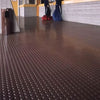
Workers standing on concrete floors for extended periods suffer measurably higher rates of fatigue, lower limb pain, and musculoskeletal injury than those standing on anti-fatigue matting. HSE research confirms that anti-fatigue matting reduces lower limb discomfort by 40–60% during standing work shifts. Specify 12mm+ closed-cell rubber or foam-rubber composite for meaningful anti-fatigue benefit. Available in workstation sizes (600×900mm) and roll format for production line coverage.
Drainage Industrial Mats
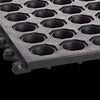
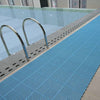
In wet processing areas, food production, and industrial wash-down zones, water must be removed from the working surface immediately. Open-cell drainage mats allow water, cleaning fluids, and process liquids to drain through the mat structure rather than pooling at shoe level. The raised standing surface keeps workers above the liquid plane entirely. Available in interlocking link-style and open-grid formats rated R12–R13.
Anti-Slip Walkway Mats
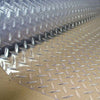
Industrial walkways in warehouses and factories carry mixed traffic — pedestrians, pallet trucks, forklifts, and ride-on sweepers. Heavy-duty studded and ribbed rubber walkway mats in 8mm–12mm provide anti-slip protection for pedestrians while withstanding vehicle traffic without deformation. Colour options include yellow for high-visibility safety marking of designated pedestrian routes.
Chemical-Resistant Industrial Mats
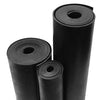
Standard SBR rubber degrades when exposed to acids, solvents, and aggressive cleaning chemicals. For environments where chemical resistance is required, nitrile (NBR) mats resist petroleum oils and aliphatic solvents; EPDM mats resist acids, alkalis, and many industrial cleaning chemicals. Specify the compound type based on the specific chemicals present — our specification team can advise on chemical compatibility.
Frequently Asked Questions — Industrial Mats
What industrial mat is best for a standing workstation?
For a dry standing workstation (assembly, packing, quality inspection), a 12mm–15mm anti-fatigue mat with a closed-cell sponge rubber or polyurethane foam core covered by a non-slip rubber surface layer provides the best ergonomic benefit. For wet or contaminated workstations (food processing, chemical lines), use an open-cell drainage mat with anti-fatigue properties — the drainage holes remove contamination while the cushioned rubber border provides fatigue relief.
How do industrial drainage mats work?
Industrial drainage mats have open-cell structures — either link-style (interlocking rubber bars with spaces between) or grid formats — that allow liquids to pass freely through the mat onto the floor surface below. Workers stand on the raised rubber surface above the liquid plane. The mat must be lifted periodically for floor cleaning beneath. They are rated R12–R13 for slip resistance and are standard specification in food production, commercial kitchens, and industrial wet processing areas.
Can industrial mats withstand forklift traffic?
Standard rubber industrial mats (3mm–10mm) are not rated for forklift traffic — the combined weight and tyre pressure of even a small counterbalance forklift will deform and damage standard rubber matting permanently. For mixed pedestrian/forklift areas, specify rubber-topped metal plate systems or high-density solid rubber flooring of 15mm+ specifically rated for vehicle traffic. Mark pedestrian-only areas with coloured matting (typically yellow) to separate traffic streams.
What Our Customers Say
Verified reviews from UK buyers — Free UK delivery
